Driving Sustainability Forward with Hamilton Waste

Overview
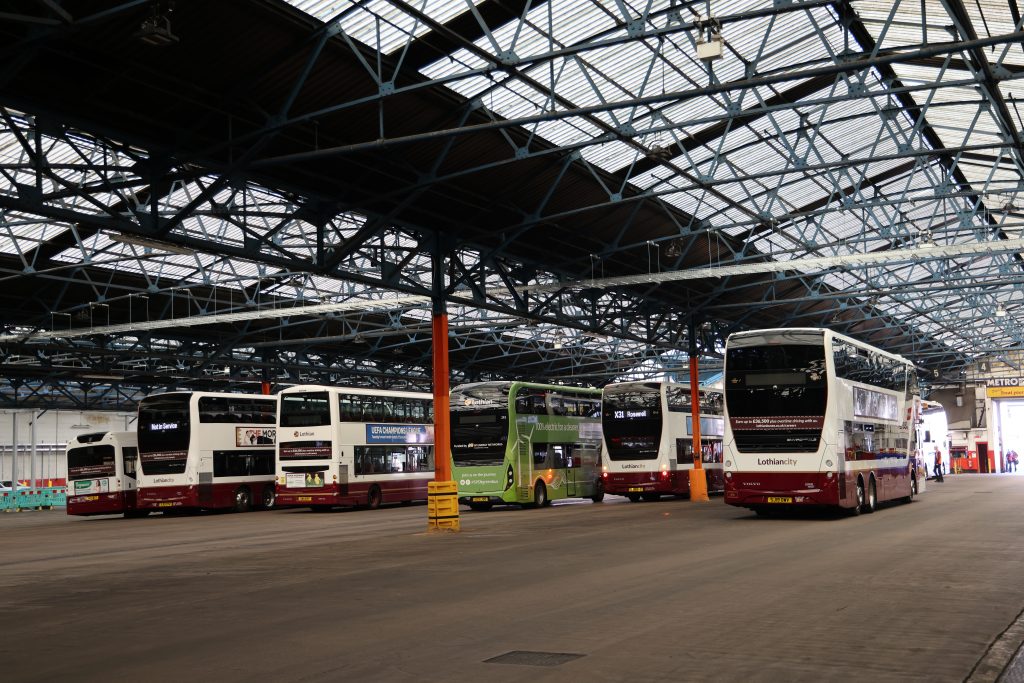
Lothian, one of Scotland’s most iconic transport operators, has been serving Edinburgh and the surrounding areas for over a century. With a large and varied estate — from city depots and coach works to travel hubs and engineering facilities — managing waste efficiently and responsibly is a constant operational challenge.
When Lothian sought to modernise their waste management, reduce contamination, and improve traceability, Hamilton Waste stepped in to deliver a smarter, more sustainable solution.
The Challenge
Before working with Hamilton Waste, Lothian relied on large compactors and roll-on roll-off skips for general waste collection. The system was inefficient and environmentally problematic:
• Poor segregation meant recyclable materials were lost to landfill.
• High contamination rates led to entire 40-yard skips being rejected.
• Limited traceability made it difficult to understand what was happening to waste once it left the depots.
• Compactors often broke down, resulting in additional cost and downtime.
As Christopher Mackay, Sustainability Officer at Lothian, explains:
“We could see things in the compactors that quite obviously shouldn’t have been in there. It was clear the system needed a complete rethink — both for compliance and environmental reasons.”

The Solution
Hamilton Waste worked closely with Lothian to design a flexible, site-by-site waste management plan. The transition replaced compactors with a bin-based system, giving the team greater visibility and control.
Each location — from large depots to smaller regional garages — now has tailored bin collections managed through Hamilton’s Edinburgh facility. The approach offers:
- Clear segregation for general waste, mixed recyclables and food waste.
- Regular data reporting to track recycling performance.
- Photographic traceability of skip contents and collections.
- Integration with Hamilton’s partners, such as Denim Services, for hazardous waste streams like oils, filters, and chemicals.
“People thought having multiple bins would be complicated,” says Chris. “But it’s actually made things simpler. We now have full visibility of what’s in each bin and can track everything from collection to processing.”
The Results
- Recycling rates up by 40% thanks to improved segregation
- Full traceability of all waste movements through digital data and photographic evidence
- Virtually zero landfill waste with the majority diverted into recycling or Solid Recovered Fuel (SRF)
- Improved compliance with Scottish waste regulations
Ongoing Partnership
The collaboration continues to evolve as legislation and sustainability goals change. Hamilton Waste supports Lothian with new initiatives, such as the safe collection of vapes and electronic waste, helping reduce fire risk and ensure compliance with WEEE regulations.
“Whatever comes next — new laws or new waste streams — we know Hamilton will help us adapt. Their response times are incredible, and their commitment to sustainability matches ours.”
Conclusion
Through its partnership with Hamilton Waste, Lothian has transformed its waste management operations into a transparent, compliant, and environmentally responsible system.
What began as a shift away from outdated compactors has become a model of sustainable waste management in the transport sector — proving that small changes in process can drive major environmental impact.
“From a business point of view, it works. The partnership, the communication, and the efficiency are unrivalled.”
Christopher Mackay, Sustainability Officer, Lothian